Source Semi Suspension Adjustable Forklift Seat for Forklifts, Sweepers, Construction Machinery
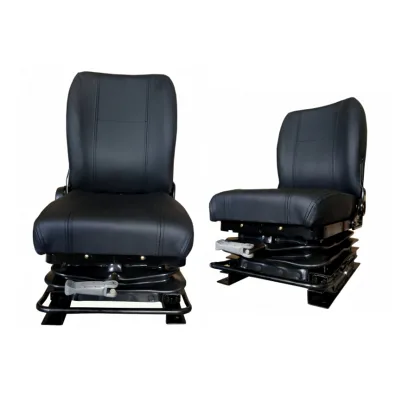
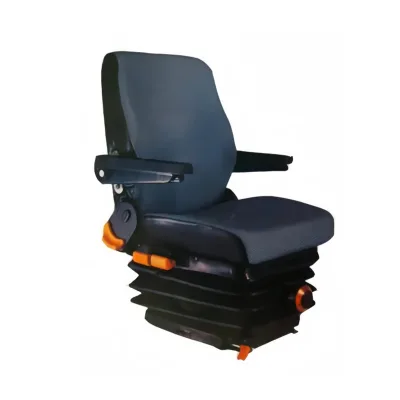
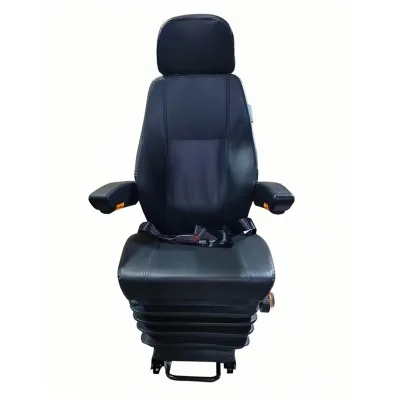
Explore 30 listings for the Semi Suspension Adjustable Forklift Seat designed for forklifts, sweepers, and construction machinery. Buyers can compare models like SC08-1 and B24, noting features such as vacuum foam cushions, adjustable brackets, and PVC or PU materials.
Key considerations
Products List


China Factory Direct Sale Forklift Cheap Backrest Adjustable Seat for Sale
$151.00 - $161.00
MOQ: 50 Pieces


Manual Adjustable Forklift Driver Seat with Smooth Height Lift Function
$173.00 - $223.00
MOQ: 12 Pieces

Adjustable Height Forklift Driver Seat with 360 Degree Rotation Function
$179.00 - $230.00
MOQ: 12 Pieces

Electric Adjustable Forklift Driver Seat with Auto Height Lift Function
$176.00 - $216.00
MOQ: 12 Pieces

Tilt Adjustable Forklift Driver Seat with Flexible Positioning Options
$173.00 - $223.00
MOQ: 12 Pieces

Full Adjustable Forklift Driver Seat with Flexible Tilt Angle Function
$176.00 - $216.00
MOQ: 12 Pieces



Comprehensive Sourcing Guide
Semi Suspension Adjustable Forklift Seat Sourcing Guide
Sourcing semi-suspension adjustable forklift seats requires a disciplined approach that balances ergonomic comfort with industrial durability. These seats are critical components in material handling environments, designed to mitigate operator fatigue and reduce vibration exposure during extended shifts. The procurement process must focus on verifying the mechanical integrity of the suspension system, the quality of the cushioning materials, and the adaptability of the mounting structures to various forklift models. Buyers must navigate a market where product attributes vary significantly, ensuring that the selected seat meets both operational demands and safety standards.
This guide provides a structured framework for evaluating semi-suspension adjustable forklift seats based on observed market data and technical requirements. It emphasizes the verification of key specifications such as suspension travel, weight capacity, and material composition. By focusing on evidence-based procurement strategies, buyers can avoid common pitfalls related to mismatched specifications or inadequate supplier qualifications. The following sections detail the product scope, technical verification steps, compliance requirements, cost factors, supplier assessment, and long-term maintenance considerations.
Product Scope and Observed Listing Signals
The current market for semi-suspension adjustable forklift seats exhibits a wide range of product configurations, with observed prices ranging from 10 to 360 USD. This variance reflects differences in material quality, suspension complexity, and brand positioning. Minimum Order Quantities (MOQs) typically range from 1 to 50 units, indicating that suppliers cater to both individual replacement needs and bulk fleet procurement. Buyers should recognize that lower price points may correlate with basic suspension mechanisms or standard materials, while higher prices often indicate advanced ergonomic features or premium upholstery.
Observed product listings reveal diverse material compositions, including PVC, PU, and PVC-steel combinations, with some seats featuring A-class leatheriness for enhanced durability and aesthetics. The seats are generally categorized as general seats with adjustable features, including front/rear adjustments of up to 175mm and weight adjustments to accommodate operators of varying sizes. Suspension travel is a critical differentiator, with observed values around 48mm, which helps absorb shocks from uneven warehouse floors. Buyers must carefully review product descriptions to confirm that the specific model meets their ergonomic and operational requirements, as attributes like color (often black or customizable) and cushion type (vacuum foam) vary by supplier.
Technical Specifications to Verify
Verifying the technical specifications of semi-suspension adjustable forklift seats is essential to ensure compatibility and performance. Key attributes to confirm include the seat structure, which often utilizes a G-clamp or adjustable bracket for secure mounting to the forklift chassis. The frame construction typically combines a steel frame with vacuum foam cushioning and backrest, providing a balance of strength and comfort. Buyers should verify the weight capacity, which ranges from 40 to 120 Kgs, to ensure the seat can safely support the intended operator load without compromising structural integrity.
The suspension system's travel distance, observed at 48mm in some listings, is a vital parameter for vibration dampening. Buyers must also check the front and rear adjustment range, which allows for precise positioning of the operator relative to the controls. Packing dimensions, such as 600560620mm or 750620570mm, are important for logistics planning and storage efficiency. Additionally, the surface treatment, often baking paint, contributes to corrosion resistance and longevity in industrial environments. Confirming these details prevents mismatches between the seat's physical dimensions and the forklift's mounting points.
Compliance and Safety Documentation
Compliance with safety standards is non-negotiable for forklift seats, as they directly impact operator safety and regulatory adherence. Buyers should verify that the seats meet recognized standards such as ECE R44, which pertains to child restraint systems but may indicate broader safety testing protocols, or industry-specific standards like ISO 5353 for fork-lift truck stability. While some listings mention CE, SGS, and ISO certifications, buyers must request valid certificates to confirm that the products have undergone rigorous testing for durability, load-bearing capacity, and fire resistance.
Documentation should also include details on the seat's condition, with most observed products being new. Buyers should ensure that the supplier provides clear information on the seat's standard compliance, such as the "Standard" classification mentioned in some listings. It is crucial to verify that the seat's design, including the adjustable bracket and suspension mechanism, does not introduce new hazards or interfere with the forklift's existing safety features. Requesting test reports or compliance declarations from the supplier helps mitigate risks associated with non-compliant products.
Cost Drivers and Commercial Terms
Cost drivers for semi-suspension adjustable forklift seats include material quality, suspension complexity, and customization options. Seats with PVC or PU upholstery and vacuum foam cushioning may vary in price based on the grade of materials used. Customization, such as adjustable colors or specific packing requirements, can also influence the final cost. Buyers should consider the total cost of ownership, including shipping and handling, as packing methods like carton cases or seaworthy packing affect logistics expenses.
Commercial terms, including MOQs and lead times, play a significant role in procurement planning. With MOQs ranging from 1 to 50 units, buyers can negotiate terms that align with their inventory needs. It is advisable to clarify payment terms, warranty policies, and after-sales support when engaging with suppliers. Understanding the cost structure helps buyers make informed decisions, balancing initial purchase price with long-term durability and maintenance requirements. Transparent communication with suppliers regarding these terms ensures a smoother procurement process.
Supplier Qualification and Quality Control
Supplier qualification is a critical step in sourcing semi-suspension adjustable forklift seats. Buyers should assess suppliers based on their production capabilities, quality control processes, and track record. Suppliers originating from regions like Shanghai or Shandong, China, may offer competitive pricing, but buyers must verify their reliability through audits or references. Checking for certifications such as ISO 9001:2015 can indicate a supplier's commitment to quality management systems.
Quality control measures should include inspections of the seat's construction, including the steel frame, vacuum foam, and surface treatment. Buyers should request samples to evaluate the seat's comfort, adjustability, and suspension performance before placing bulk orders. Verifying the supplier's ability to provide consistent product quality across batches is essential for maintaining fleet uniformity. Establishing clear quality expectations and communication channels with suppliers helps ensure that the delivered seats meet the specified requirements.
Long-Term Procurement Checks
Long-term procurement checks involve monitoring the performance of semi-suspension adjustable forklift seats in operational environments. Buyers should track metrics such as seat durability, suspension longevity, and operator feedback to assess the value of their procurement decisions. Regular inspections of the seats for wear and tear, particularly on the cushioning and adjustment mechanisms, help identify potential issues early. Maintaining a record of supplier performance and product reliability aids in making informed decisions for future purchases.
Continuous engagement with suppliers for updates on product improvements or new models can enhance fleet efficiency. Buyers should also stay informed about changes in safety standards and ergonomic recommendations to ensure their seats remain compliant and effective. By adopting a proactive approach to procurement and maintenance, buyers can optimize the performance and lifespan of their semi-suspension adjustable forklift seats, ultimately supporting operational efficiency and operator well-being.
FAQs
What materials are used for semi suspension adjustable forklift seats?
These seats are constructed using PVC or PU materials combined with a steel frame. The cushion and backrest utilize vacuum foam to ensure comfort during operation. Some models feature a G clamp structure for secure mounting.
Can the seat position be adjusted for different operators?
Yes, the front and rear adjustment range is 175mm to accommodate various operator sizes. The weight adjustment feature allows further customization to suit specific user requirements and operational needs effectively.
Which certifications do these forklift seats typically hold?
Products often carry CE, SGS, and ISO certifications to ensure safety and quality compliance. They also meet the ECE R44 standard for baby seats, indicating rigorous testing and adherence to international safety protocols.
How much does the suspension travel for these seats?
The suspension travel is specified as 48mm to absorb shocks and vibrations. This feature helps reduce operator fatigue during long shifts while maintaining stability on uneven surfaces within the warehouse or construction site.
What is the typical weight range for these adjustable seats?
The weight of these seats ranges from 40 to 120 kilograms depending on the specific model and construction. This variation accounts for different frame strengths and cushion densities required for various industrial applications.
Are these seats available for customization by buyers?
Customization is available for many models to meet specific client requirements. Buyers can request tailored colors, packing sizes, or structural modifications to ensure the seat fits their unique machinery and operational environment perfectly.
Where are these forklift seats manufactured?
Manufacturing origins include Shanghai and Shandong in China. These locations serve as key production hubs for suppliers offering these industrial seating solutions with various packaging options like carton cases or seaworthy packing.